Privacy-First Tracking: Server-Side Tagging Explained
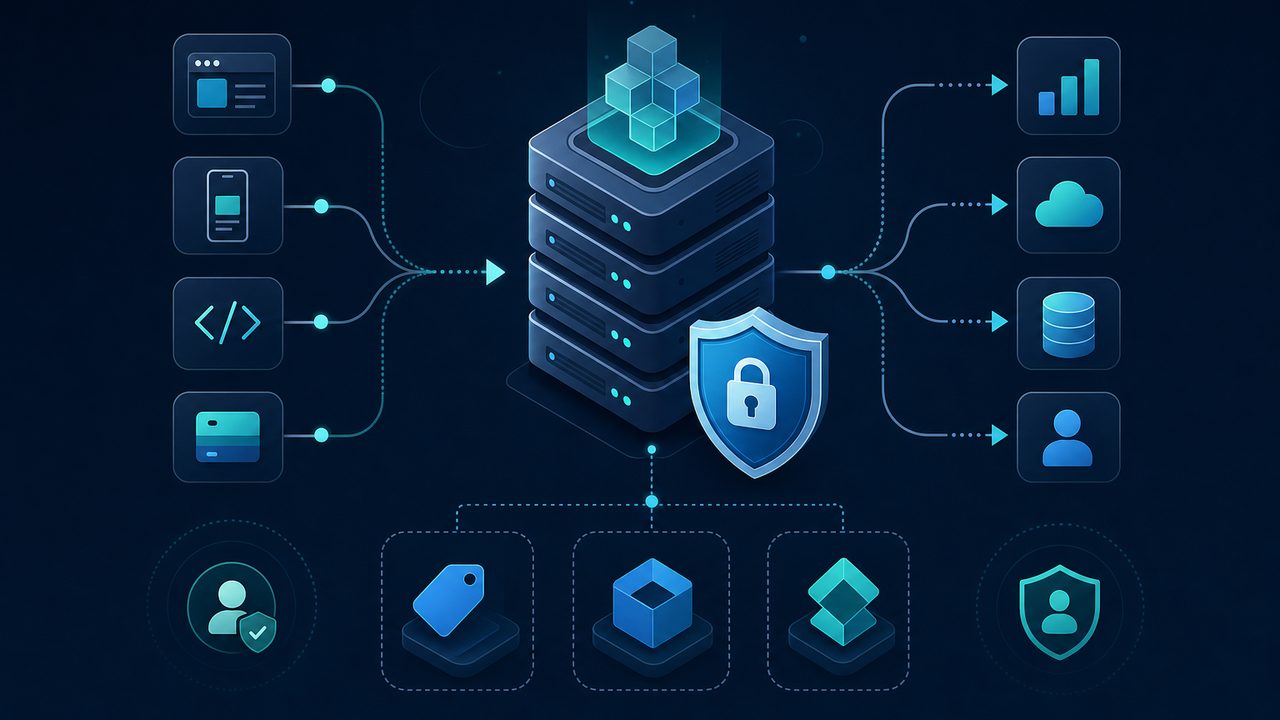
Browser-based tracking is fading fast. Server-side tagging restores data accuracy and conversion signal while respecting user privacy. A clear, practical implementation guide.
The reliability of browser-based tracking has fallen off a cliff. Ad blockers, browser privacy features, and operating-system restrictions now silently drop a large share of the conversion events marketers depend on. Server-side tagging has emerged as the leading solution to restore accuracy while respecting user privacy.
The concept is straightforward. Instead of firing all tracking tags directly from the user's browser — where they are easily blocked — you route data through a server you control. That server then forwards clean, consented events to your analytics and advertising platforms. The result is more complete, more durable data and faster page loads, because fewer third-party scripts run in the browser.
The practical benefits are immediate. Conversion APIs fed by server-side data recover events that browser pixels miss, which improves platform optimization and lowers acquisition costs. Page performance improves because heavy tag loads move off the client. And you gain a central control point to enforce consent and data governance consistently.
Implementation follows a clear path. Set up a server-side tag container, establish a first-party data collection endpoint on your own domain, and migrate your most important conversion events — purchases, leads, key actions — to flow through it. Validate carefully against your existing data to ensure parity before you decommission old tags.
Governance is not optional. Server-side tagging gives you more power over data, which means more responsibility. Honor consent signals, minimize the personal data you forward, and document your flows. Done right, this approach is both more accurate and more privacy-respecting than the browser-only model it replaces.
For any team serious about measurement in a privacy-first world, server-side tagging is becoming table stakes. It is the infrastructure that keeps your optimization engines fed with reliable signal even as the browser tracking landscape continues to tighten.
Read the full interactive version →